
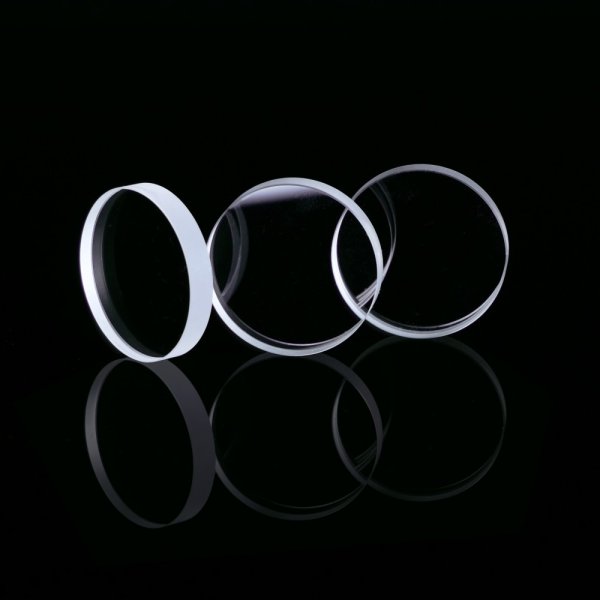
Zinc sulfide optical window
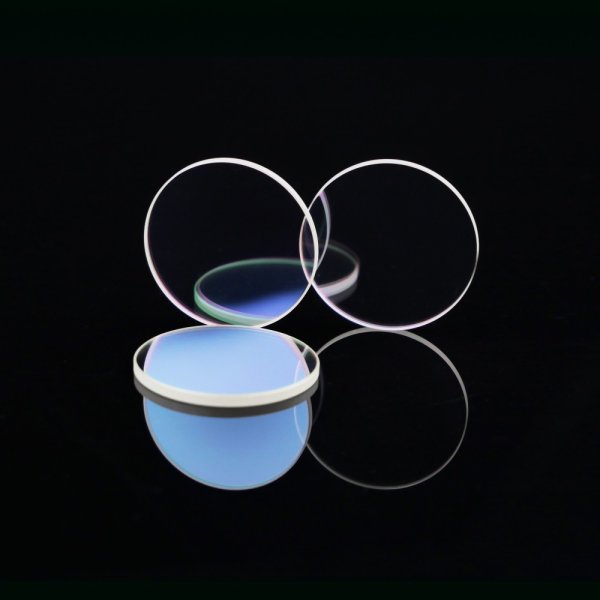
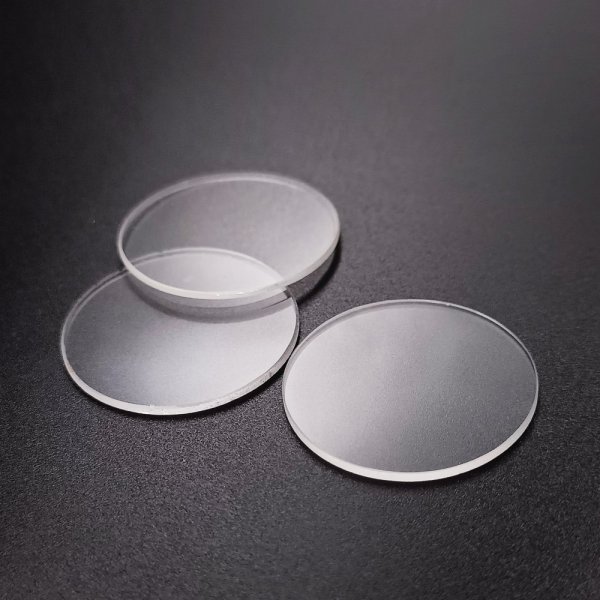
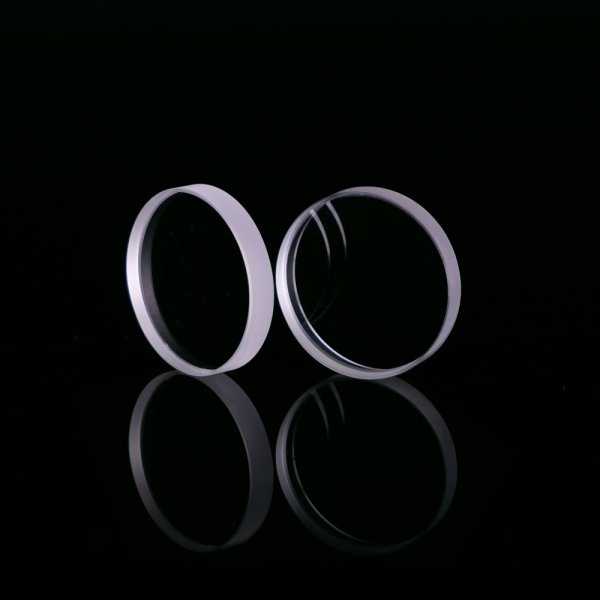
Zinc sulfide optical windows are one of Sichuan Yuchuang Infrared Optics Co., Ltd.'s main products. The company specializes in various optical prisms. These products possess excellent mechanical strength and hardness, making them suitable for optical components requiring wear and impact resistance. By combining quality control with customer service, we provide customers with relevant solutions. For more information, please contact 19141919467.
 Click to enlarge
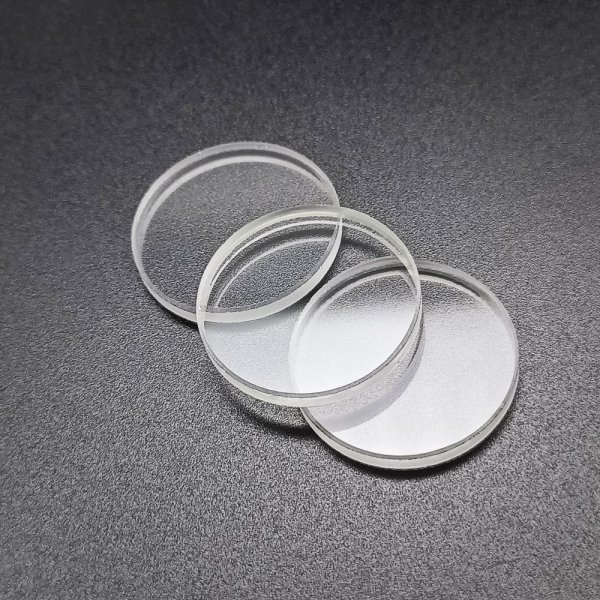
Zinc sulfide optical window
Zinc sulfide optical windows are one of Sichuan Yuchuang Infrared Optics Co., Ltd.'s main products. The company specializes in various optical prisms. These products possess excellent mechanical strength and hardness, making them suitable for optical components requiring wear and impact resistance. By combining quality control with customer service, we provide customers with relevant solutions. For more information, please contact 19141919467.
- Drawing-based OEM / ODM
- Prototype to volume
- ZYGO metrology available
Product description
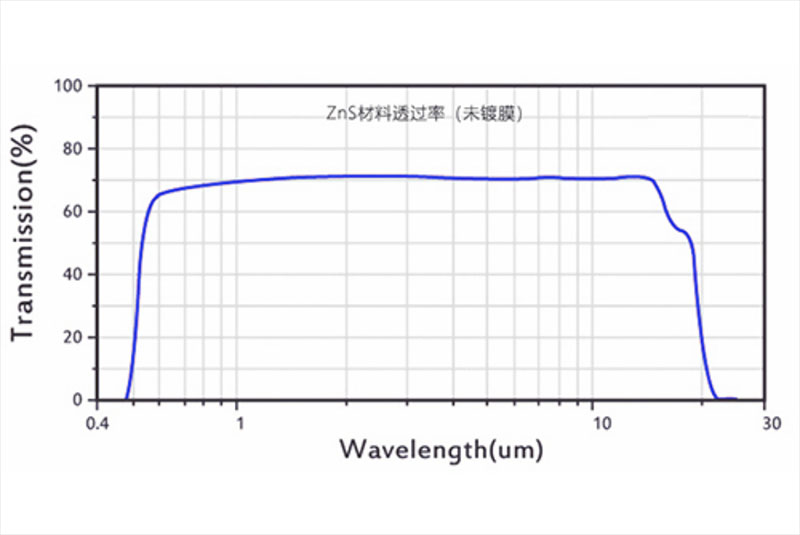
Zinc sulfide windows have excellent refractive index uniformity and consistency, and exhibit excellent image transmission performance in the 8000nm-12000nm band. A chemically inert material, it boasts high purity, water insolubility, moderate density, and ease of processing. They are widely used in infrared windows, missile fairings, military aircraft, and thermal imaging systems. Zinc sulfide is divided into primary zinc sulfide and multispectral zinc sulfide. Multispectral zinc sulfide is obtained by hot isostatic pressing of primary zinc sulfide.
Diameter (mm) | Thickness (mm) | Coating requirements | Diameter (mm) | Thickness (mm) |
10 | 1 | AR/AR 3-5μm AR/AR 8-12μm AR/DLC 8-12μm Other sizes or coating bands can be customized according to customer requirements | 75 | 3 |
12.5 | 1 | 75 | 5 | |
20 | 2 | 76.2 | 6 | |
25 | 3 | 80 | 8 | |
30 | 3 | 90 | 10 | |
38.1 | 3 | 100 | 10 | |
40 | 4 | 150 | 15 | |
50 | 3 | 180 | 18 | |
50.8 | 3 | 200 | 20 | |
63.5 | 5 | 300 | 35 |
Technical requirements | Commercial Grade | High precision grade |
Size range | 1-600mm | 1-600mm |
Diameter tolerance | Soil 0.1mm | Soil 0.01mm |
Thickness tolerance | Soil 0.1mm | Soil 0.01mm |
Parallel deviation | ±3´ | ±2´´ |
Surface quality | 60-40 | 20-10 |
Surface accuracy | 1.0λ | λ/20 |
Coating | AR/AR 3-5μm AR/AR 8-12μm AR/DLC 8-12μm | |
Chamfer | 0.1-0.5mm*45° | |
Material | zinc sulfide | |
Characteristics of zinc sulfide optical windows
High Refractive Index: Zinc sulfide windows have a refractive index of approximately 2.3. This means that ZnS windows can bend light to a greater extent than other materials with lower refractive indices, such as glass. This property is useful in applications that require precise control of the direction of light, such as in laser cavities and imaging systems.
Durable and damage-resistant: They have good scratch and abrasion resistance and can be used in a variety of environmental conditions, including high temperature and high pressure environments. This makes them an excellent choice for aerospace and military applications, such as thermal imaging systems, missile guidance systems and laser rangefinders.
Advantages of zinc sulfide optical windows
One of the main differences between zinc sulfide and zinc selenide is their hardness. Zinc sulfide is a relatively hard material with good scratch and abrasion resistance, while zinc selenide is a relatively soft material that is more easily scratched and damaged. This makes ZnS windows a better choice for applications where durability and damage resistance are important, such as in high-temperature and high-pressure environments.
Another important consideration is the material's transmission range. ZnS has a wider transmission range than zinc selenide, extending into the UV region. This makes zinc sulfide windows a better choice for applications requiring high UV transmittance, such as in UV imaging systems or UV spectroscopy.
In terms of cost, zinc sulfide is generally less expensive than zinc selenide, which may make it a more attractive choice for applications where cost is the primary consideration.
You may also need
Complementary optics from the same manufacturing lines.
Need a custom version of this optic?
Send wavelength, diameter, substrate, and coating requirements — we quote prototypes and production volumes.